
Smart kitchens are becoming the norm
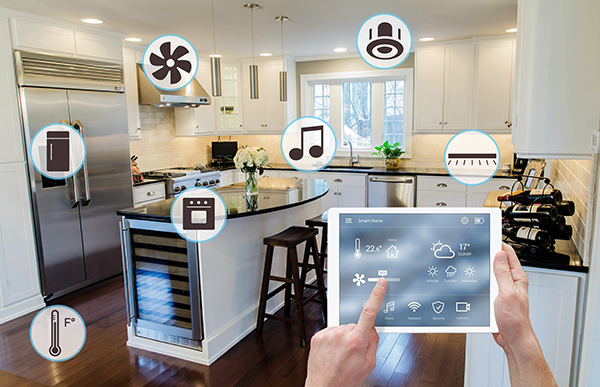
Smart kitchens are no longer seen as futuristic concepts and are increasingly becoming a standard feature in modern homes. Not only is the cooking process itself changing, but also food storage, cleaning, and day-to-day appliance management. Remote control via mobile apps and voice commands is no longer a novelty, and the number of connected kitchen devices in homes around the world is growing year by year.
What the term “smart kitchen” really means
A smart kitchen is a space where appliances and sensors are connected to the internet and controlled from a smartphone, tablet, or via voice services such as Alexa, Siri, and Google Assistant. The real value isn’t the number of gadgets on the countertop, but deep device integration and automation of routine tasks.
It is the interaction between appliances that turns a set of “smart” devices into a single system capable of orchestrating sequences of actions on its own. Without this linkage, even the most advanced refrigerator is still just a fridge with a screen.
The practical value of kitchen tech
Skeptics often see a smart kitchen as an expensive toy, but the technology offers tangible, measurable benefits. Automation reduces the time spent on cooking and cleaning, cuts household utility costs and grocery bills, and precise control over cooking parameters ensures consistent results.
Another key benefit is reducing food waste. According to several studies, households throw away up to 30% of the food they buy. Smart appliances can bring that number down significantly. All of the above adds up to a set of advantages worth looking at in more detail.
Key benefits of a smart kitchen
Time savings and convenience
- Automatic modes and cooking routines eliminate the need to stand over the stove and constantly monitor the process.
- “Smart” programs speed up routine tasks, whether it’s defrosting, steaming, or dishwashing.
- -Remote start and control make it possible, for example, to preheat the oven on your way home from work.
Healthier eating
- Precise settings for temperature, time, and steam mode ensure predictable results with minimal nutrient loss.
- Appliances can suggest recipes based on what’s already in your fridge.
- Some devices support nutrition tracking and help plan meals with dietary needs in mind.
Reducing food waste
- Inventory tracking shows what is stored in the refrigerator and in what quantities.
- Notifications about approaching expiration dates remind you of items that it’s time to use.
- Recipe suggestions based on what you already have help prevent food from going to waste on the shelves.
The technologies that power a smart kitchen
Smart appliances
The system is built around three categories of appliances. Ovens come with temperature and humidity sensors, recipe-specific preset programs, and app control. Refrigerators track inventory, send expiration-date notifications, and let you check what’s inside remotely, while also suggesting meal ideas. Dishwashers automatically select the right cycle based on load size and type, save water and energy, and also notify you when maintenance is required.
IoT in the kitchen
IoT (Internet of Things) technology connects appliances into a single home network, where they exchange data via built-in sensors and software. The refrigerator suggests a recipe based on available ingredients, and the oven automatically selects the required mode. When cooking finishes, it triggers the dishwasher to start according to a preset automation.
Trends in tech-enabled kitchen entertainment
Just a couple of decades ago, people read newspapers or books in the kitchen, watched a small TV, or listened to the radio. But now the situation has completely changed, and all you need to relax and be entertained is a smartphone or tablet. A device gives users access to the full range of popular entertainment options for people in the US, Canada, Egypt, Mexico, or any other corner of the world. Here’s what they can do:
- watch movies and videos online, listen to the radio using dedicated services — this resembles familiar entertainment, but with a high-tech twist;
- play online games, including gambling games. Online casino games have become a trend in recent years, partly due to bonuses and promo codes. This is confirmed by information via this link about online casinos with promo codes on a review site.
- scroll through social media and chat with friends and acquaintances — this is especially important if they live in another city or even another country.
All of this is part of an online entertainment ecosystem that requires the internet. But the internet can be used not only for leisure, but also to make everyday life more comfortable, especially in the kitchen.
Voice control and virtual assistants
There are three leading assistants on the market: Amazon Alexa, Apple Siri, and Google Assistant. The range of voice commands is already quite broad:
- turning devices on and off and setting a timer;
- tips on recipes and cooking techniques;
- reminders (for example, “Baste the meat with sauce in 15 minutes”);
- creating a shopping list;
- quick answers to questions without having to open a browser;
- checking the status of running appliances.
Keep in mind that full voice-control support in languages other than English isn’t available from all manufacturers yet, and the set of available functions may vary.
Upgrading to a smart kitchen—without rushing
The process can be broken down into four sequential steps. The first stage includes planning and design: setting priorities (oven, refrigerator, dishwasher), thinking through ergonomics, and forming a budget with long-term savings in mind. The second step is selecting devices with an emphasis on compatibility within a single ecosystem and the availability of a reliable app for iOS or Android. The third stage is installation and connection: setup by a dealer or on your own, connecting to Wi‑Fi, initial calibration. The fourth step completes the process: activating the voice assistant, testing basic commands, and enabling automations.
How to choose appliances and who to trust for service
When selecting equipment, it’s worth relying on several key criteria:
- device compatibility;
- a stable app for iOS and Android;
- A-rated energy efficiency or higher;
- clear, easy-to-use automation routines;
- home network security and data protection.
As for manufacturers, brands with a well-developed service infrastructure are worthy of trust. Samsung, Bosch, and Miele have authorized service centers almost everywhere and offer help with initial setup, as well as regular technical checkups.
Getting started without a major renovation
A full kitchen remodel isn’t necessary. For those who are still testing the waters, it’s more sensible to start gradually, adding devices one at a time and relying on expert reviews and user feedback. A smart refrigerator is considered one of the easiest low-commitment first steps: it doesn’t require any remodeling, yet it immediately delivers noticeable savings on groceries and electricity, while also helping you build the habit of managing your kitchen digitally.